Farm-to-table has grown into something immersive — transparency, terroir, and a chance for diners to step into the story behind their food.
Kim Cook
Some of the best restaurant food journeys start with savoring not just the sauces, but the sources.
Travelers and home cooks are seeking a deeper connection to what’s on the plate — something that starts long before the first bite.
That’s meant exploring local places, and maybe turning a vacation into a foodie tour.
Those ‘culinary pilgrimages’ take people to farms, gardens, and restaurants that have a story to tell. What’s in the field behind the fork? Enquiring minds – and hungry tummies – want to know.
SingleThread – California
In September I went out to Sonoma, and got a taste of one of California’s best examples.
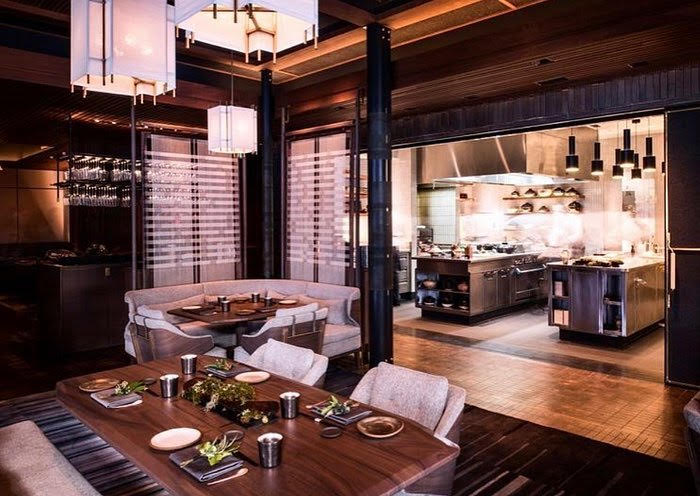
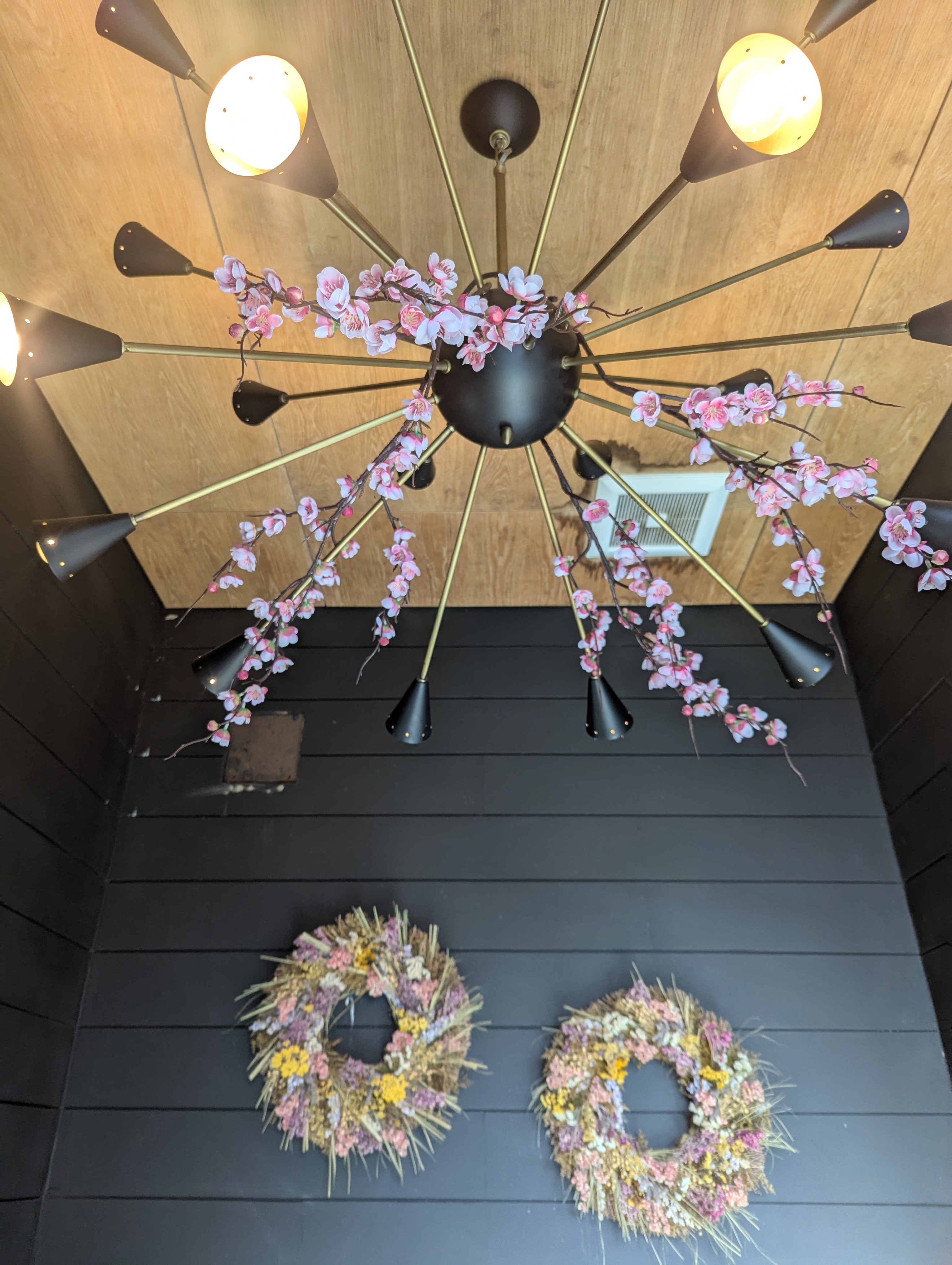
I was a guest of Miele US and SingleThread, a three- Michelin-starred restaurant, inn, and farm operation that earns high marks for its dedication to fresh, local ingredients, and deliciously thoughtful culinary prowess.
It’s located in the charming little town of Healdsburg, whose unique location at the confluence of the Russian River, and the Alexander and Dry Creek Valleys, make it a sweet spot for viticulture – there are numerous seasonal wine festivals, and the town has over thirty tasting rooms. An equally-vibrant high end food scene seems like a natural side gig.
At SingleThread, Chef Kyle Connaughton runs the dining operation. He began his career in some of L.A.’s top-tier eateries, but realized his heart was in Japanese cookery; he landed a job working for Michel Bras, at the French chef’s acclaimed Toya restaurant in Hokkaido.
Kyle and his team plan the SingleThread offerings around what’s seasonal and thriving on the farm.
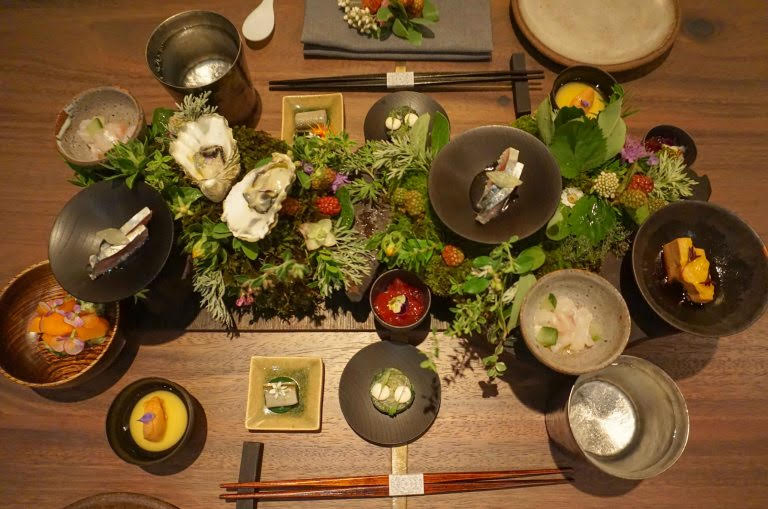
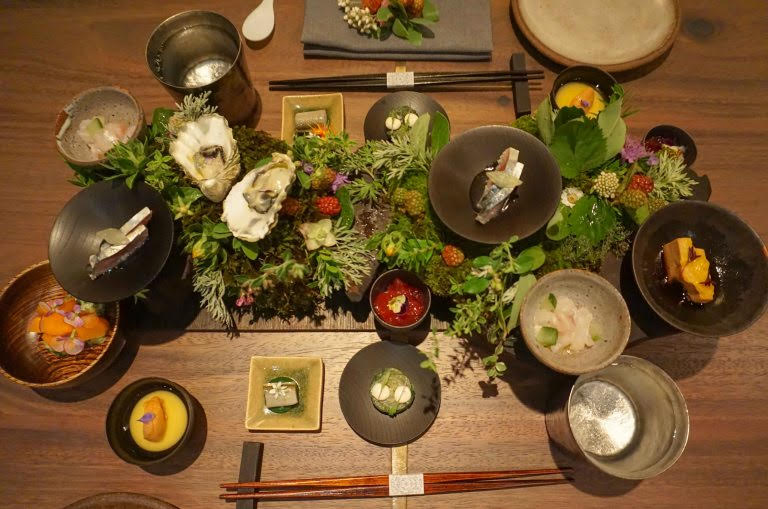
The tasting menu on my visit featured a variety of seasonal light bites, as well as fresh amberjack with persimmon, tender farm greens with local chestnuts and huckleberry, and all plated on interesting hand-thrown ceramics or glass.
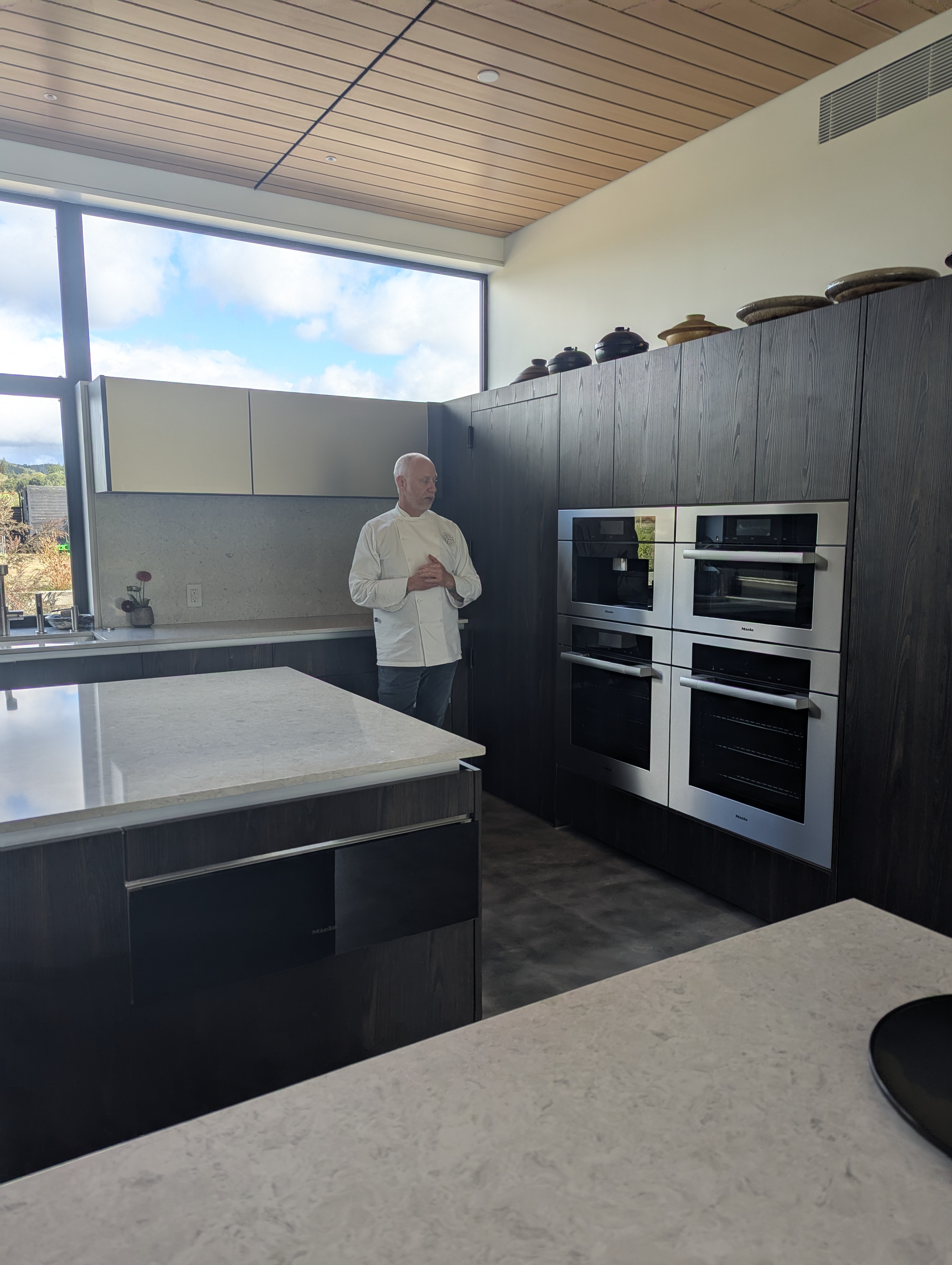
The Sonoma restaurant’s cuisine is deeply influenced by Kyle’s years in Japan. On our evening visit, it was fascinating to see the open kitchen stocked not only with the usual stainless steel and iron pro cookware, but an array of clay pots known as donabe. The plump lidded tubs come in different sizes, and are staples in Japanese kitchens. They’re excellent for stews, soups, rice, and as smokers for meats and vegetables. I’ve got a friend who even bakes bread in his.
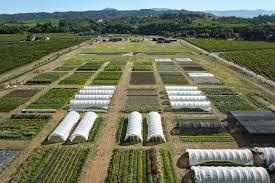
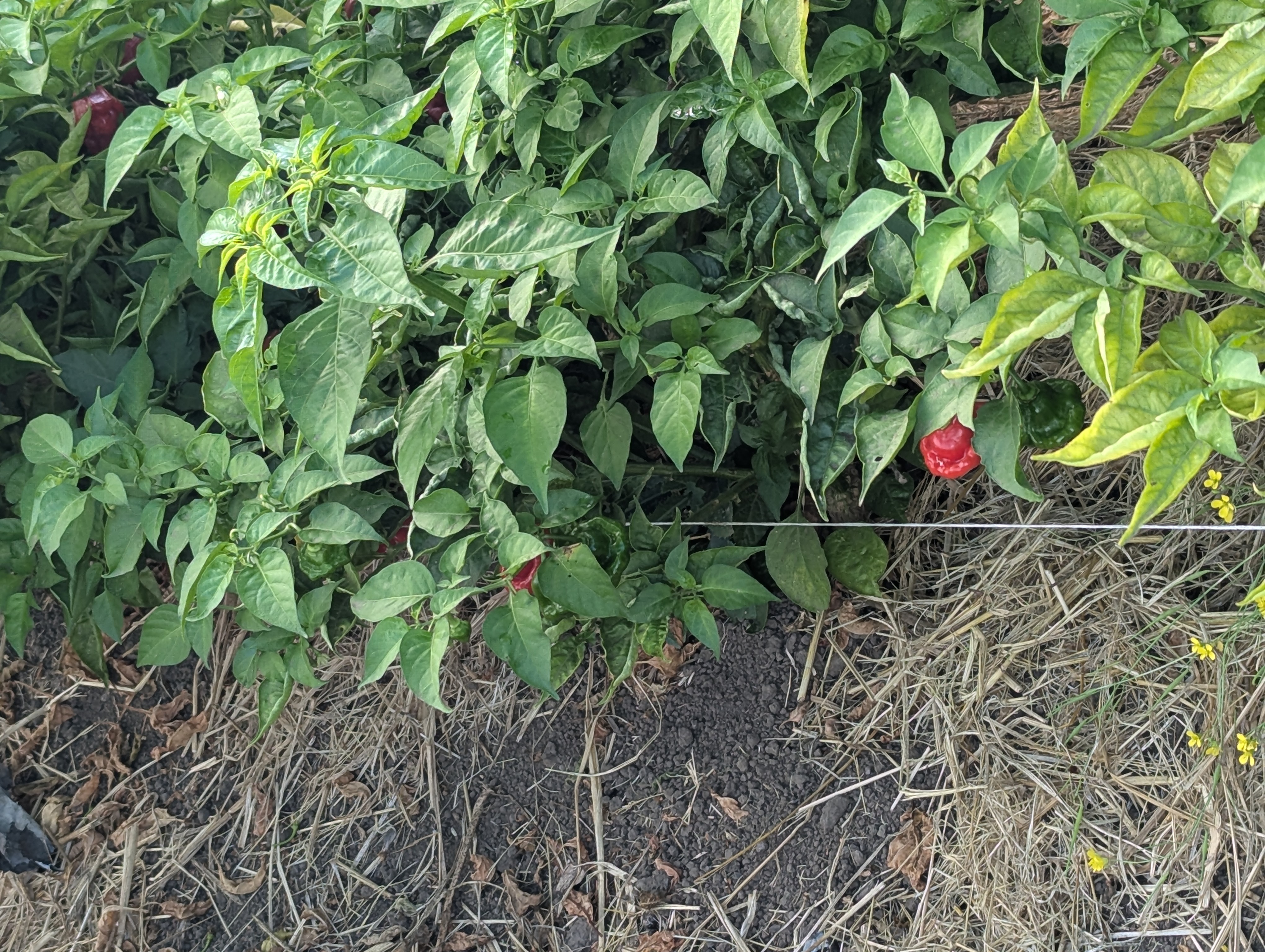
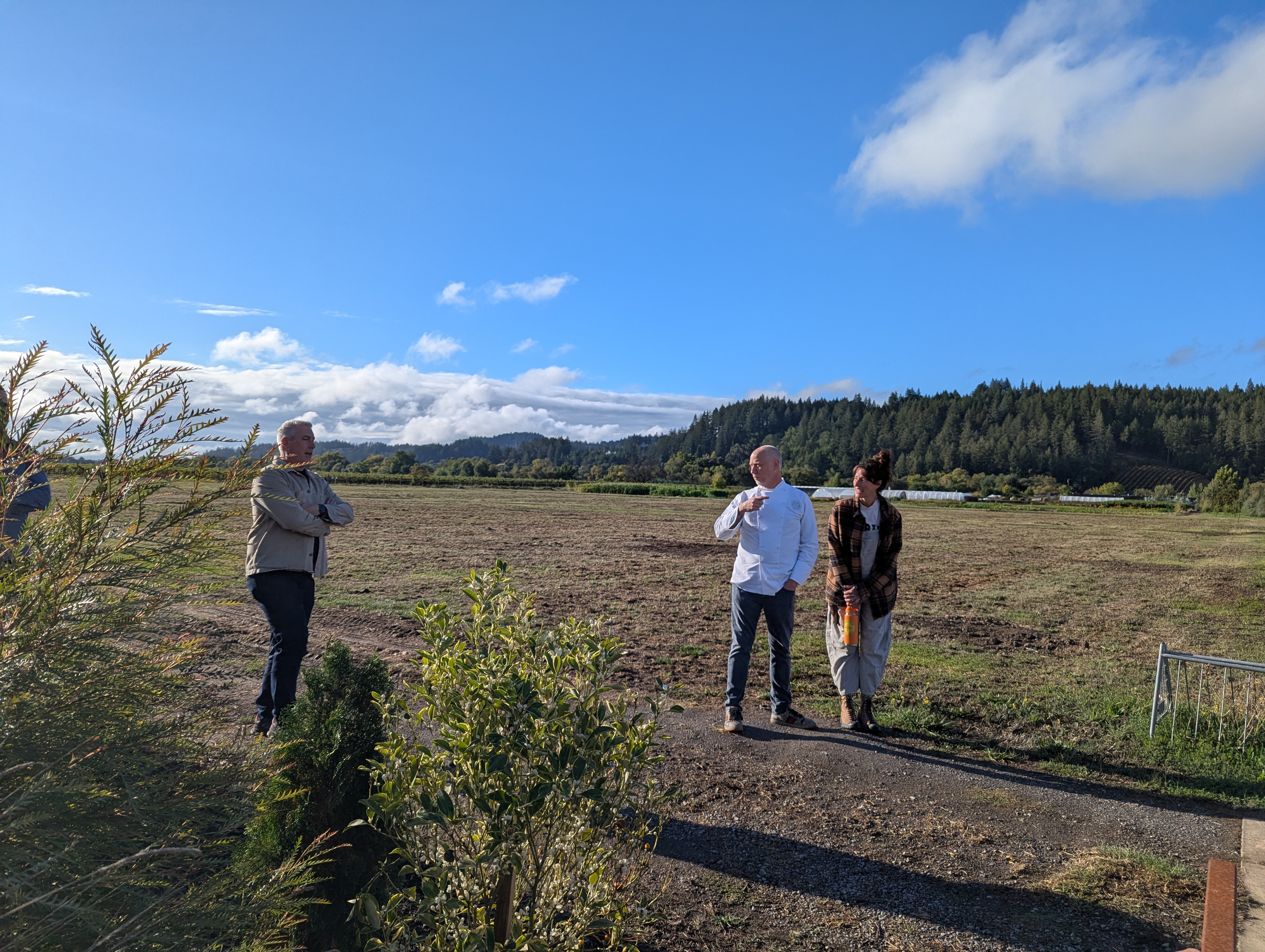
Kyle’s wife Katina, a Cali native, still has the tattoos from her years as a punk rock-loving girl. But today she’s more like an inked-up Mother Nature, with her apron and gumboots on, trudging the field to check on what’s about to sprout, or what’s peaking. She’s turning over fistfuls of earth. Planting peppers near the cucumbers to discourage critters. Giving the nasturtiums a little pat.
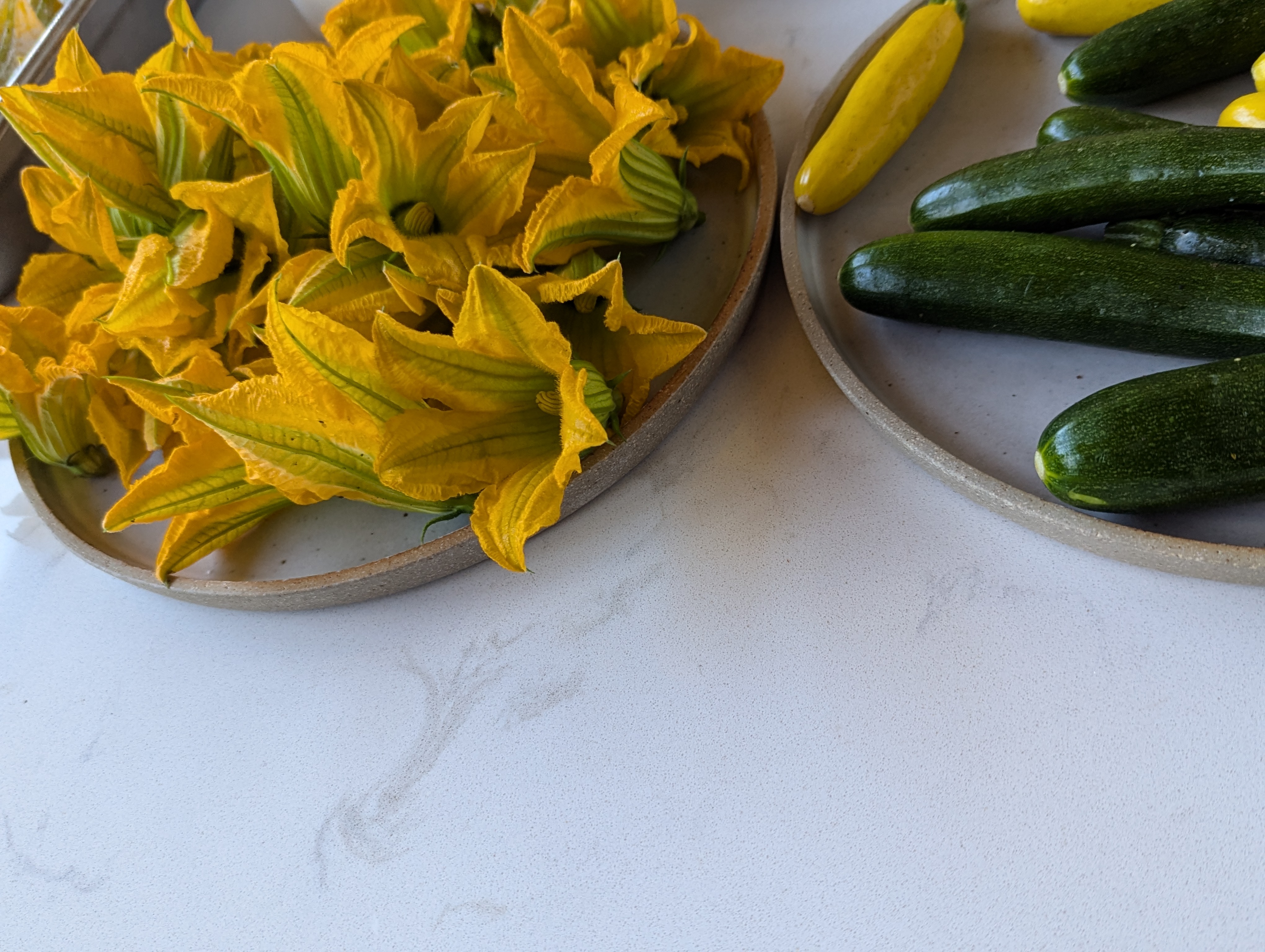
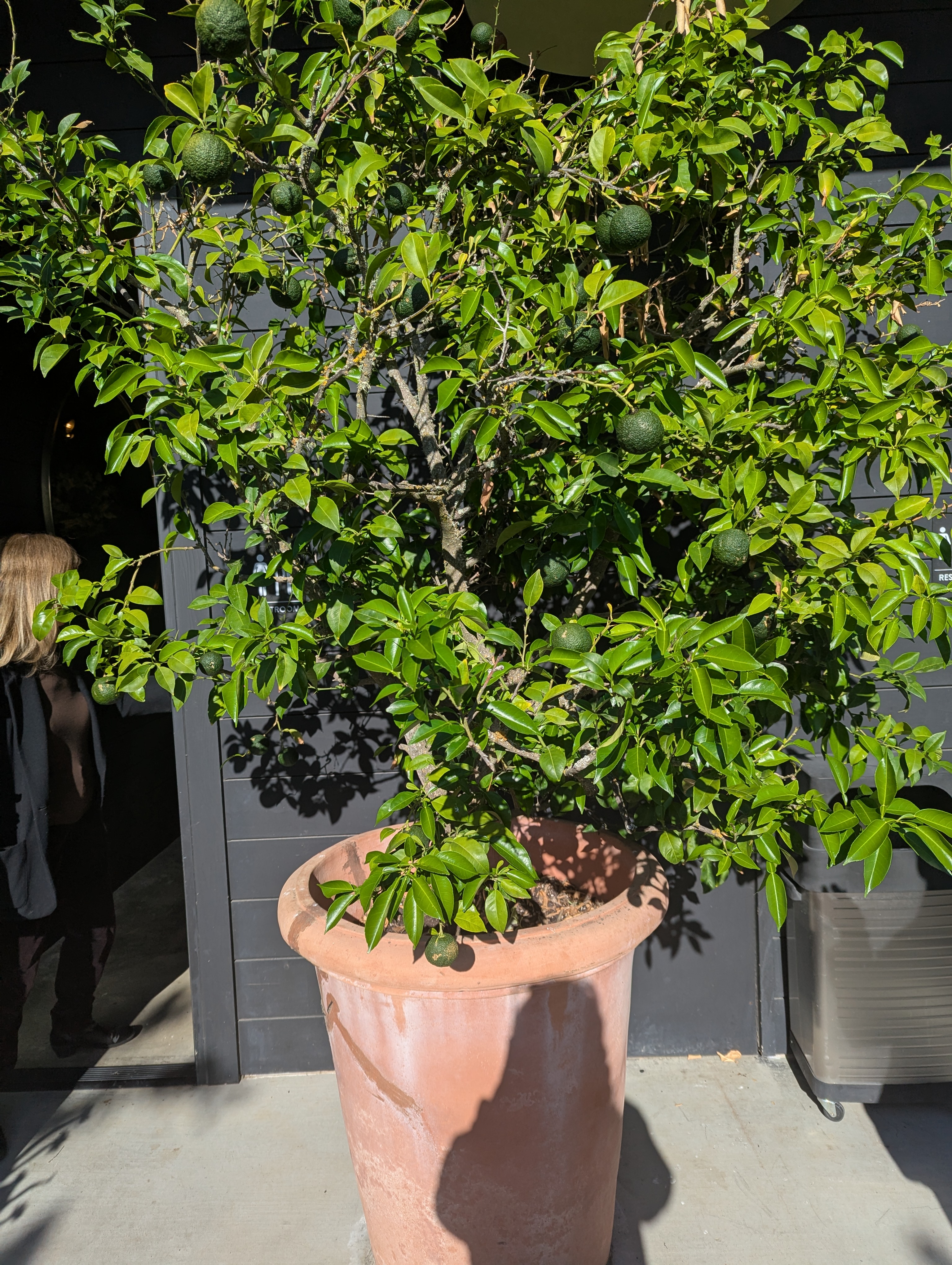
There’s everything from summer squash, tomatoes and red ace beets, to borage, yarrow, sweet red Kyoto carrots, and Komatsuna (a zingy, mustardy spinach that’s a staple of Japanese cookery), as well as a variety of flowers. And beehives. And an heirloom fruit orchard. No heavy machinery’s used in the fields, and worms feed the soil.
The couple’s close collaboration was easy to see.
“Every day, our menu’s changing,” Kyle says. “Every day, it’s a reflection of what Katina sees on the farm. What she’s harvesting, what’s ready, what she’s excited about, what’s happening.
“When we started working together, I realized that my role was to really follow Katina’s lead [with the farm]. My role as a chef is really to take the hard work that Katina and her farmers do for months, for the produce that I have for just a few hours.”
Blue Hill at Stone Barns – New York
“Brothers Dan and David Barber have pioneered the farm-to-fork philosophy in New York,” says Food Inspiration’s editor-in-chief Maikke de Reuver.
“Blue Hill at Stone Barns is serving up the future of gastronomy.”
In New York’s Hudson Valley, an 80-acre farm once tied to a Rockefeller estate became the nonprofit Stone Barns Center for Food and Agriculture in 2004.
The foundation asked Dan, who was famous for his Manhattan restaurant Blue Hill, to open a second location. The brothers came up with the plan to source ingredients from the property’s gardens and nearby farmers, and that’s been the m-o for their success.
Local farmers as well as on-site harvests inform the daily menu.
“Guests are offered a multi-taste feast featuring the best offerings from the field”, Dan says.
Michelin stars and ‘best chef’ awards have followed, so the plan’s clearly working. You can watch a great episode on the story on Netflix’s Chef’s Table.
Head up to the storm-tossed eastern Canadian coast to Newfoundland, and you’ll find the Fogo Island Inn, where Nova Scotia native Tim Charles helms the kitchen and dining area of the Fogo Island Inn.
Charles sources foraged, farmed, and fished local treasures like juniper berries, Labrador tea, wild mushrooms, shellfish, and handlined cod from villages and farms up and down the coast. Places with names that evoke the unique personality of the northern province: Shoal Bay. Tilting. Garnish. Seldom. Joe Batt’s Arm.
Overseas, Italy’s Dario Cecchini and Poggio Alloro, and France’s La Ferme de la Ruchotte and les Belles Perdrix are some of the buzziest European hotspot examples.
So next time you’re looking for a culinary adventure, take a look at farm-to-fork options. Food for thought.
Additional note* – This spring, the Connaughtons are opening an exciting new project – in Japan.
It’ll be a version of their SingleThread, and they’re calling it SoNoMa. Kyle says it’ll reflect a dialogue between two homes – Sonoma and Kyoto.
“It brings together the farmers, artisans and traditions of the Kansai region, alongside the ethos and agricultural perspective of our NorCal home.
As always, the menu will tell the story of today, guided by the land, the people who care for it, and the moment we’re living in.”
It’s a reminder that the journey from field to fork is never finished — it just keeps finding new soil.
Next time in the Curious Room:
Some suggestions for great tours – pro-planned, or DIY – where food and nature come together, whether you’re in a car, a train, or even on a bike.
And for a bit of a deeper dive into two of cooking world’s hottest cooking methods – induction, and steam – check out my Long Table column ‘Quiet Heat’